Vol 7, No 1 (2026): Logic and Philosophy of Time
Issue Description
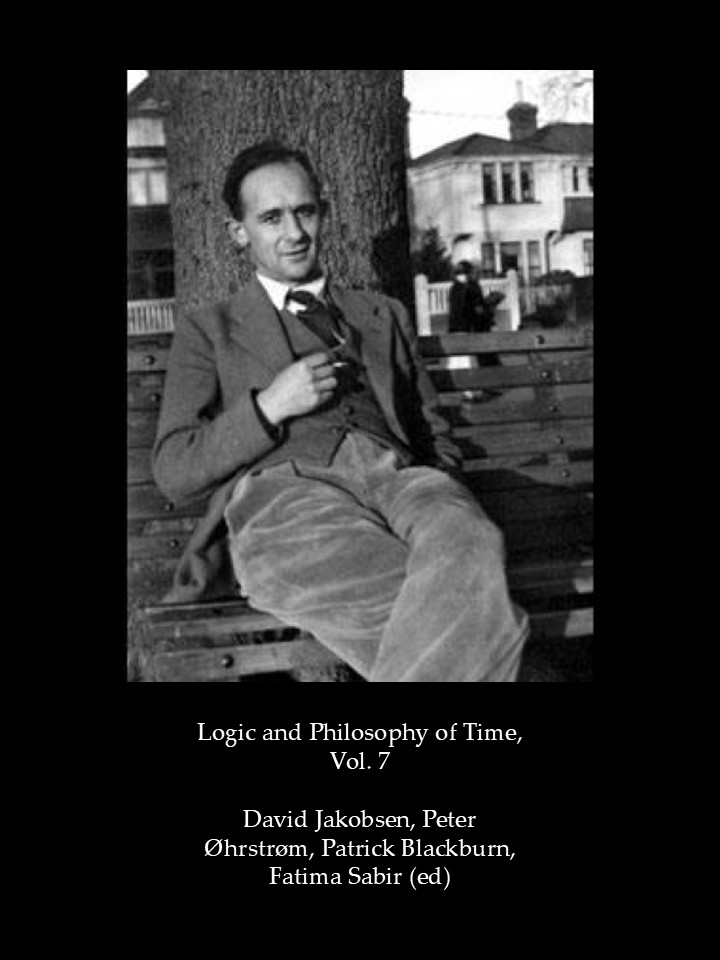
This volume of Logic and Philosophy of Time brings together 6 papers that, in different ways, develop and reassess the paradigm for the philosophical study of time introduced by Arthur Prior. The articles range from studies in semantics and medieval logic to historical investigation of Arthur Prior's earlier work and correspondence before his discovery of tense-logic. Several articles extend Prior’s logical and metaphysical framework. De Florio, Frigerio, and Mancini expand branching-time semantics by introducing formally articulated “dead branches,” deepening the analysis of indeterminism and the structure of temporal reality. Marques revisits the problem of fatalism through a critical engagement with competing notions of inevitability, while Dahlquist examines how Buridan’s temporally grounded conception of propositions reshapes truth, validity, and possibility in ways that resonate with Priorian concerns about time and modality. Other contributions situate Prior himself within broader intellectual and historical contexts. Grimshaw’s two studies uncover neglected influences on Prior’s early theological and political development, particularly the role of Alexander “Lex” Miller and Prior’s formative writings during his student years. Steiner, finally, explores the deeper historical background of tense logic by examining the extent to which key elements of Prior’s project were foreshadowed in William of Ockham.